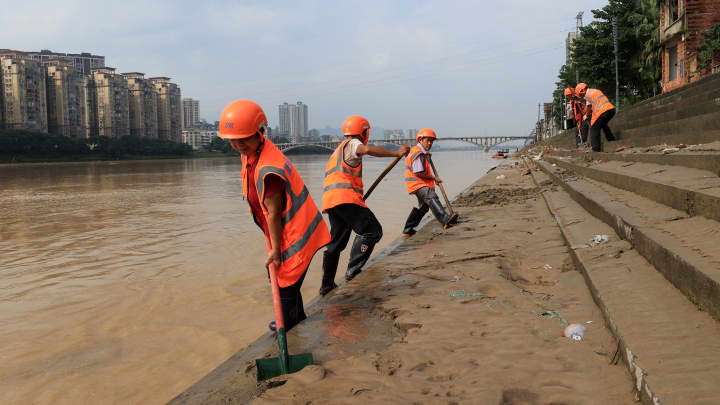
Major insurance companies and global risk analysts are sounding the alarm that the accelerating pace of climate change and interconnected global threats may soon push large portions of the world into a state that is effectively “uninsurable.” This rising concern threatens not only households and businesses but also the broader financial system, property markets, and long-term economic stability.
Why Insurers Are Raising the Alarm
Insurance exists to spread and manage risk—but that model relies on predictability and affordability. When risks become too frequent, severe, unpredictable, and costly, insurers can no longer confidently price or underwrite policies. Several leading insurance and reinsurance firms—including Swiss Re, Munich Re, Allianz, and AXA—have publicly warned that climate-driven extremes are beginning to overwhelm traditional risk models. Green Central Banking+1
Climate Change and Uninsurable Risks
- Climate extremes such as wildfires, floods, hurricanes, droughts, and heatwaves are occurring with greater frequency and intensity, leading to record-high insured losses nearly every year. International Finance
- These events are pushing premiums higher, restricting coverage, and forcing some insurers to withdraw from high-risk regions altogether. reports.weforum.org
- When insurers retreat from markets, many homes and businesses are left with no viable coverage options or face premiums so high they’re effectively uninsurable. edelmanglobaladvisory.com
“There are pathways now—around 2.7°C to 3°C of warming—where adaptation is simply not doable anymore,” one top insurance executive warned, noting that the cost of providing coverage could exceed what individuals or companies can afford. Reddit
Broader Implications Beyond Insurance
Insurers are not just financial intermediaries—they’re cornerstones of economic stability. If insurance becomes unavailable or unaffordable:
Housing and Property Markets
- Many homeowners in disaster-prone areas may struggle to obtain insurance, negatively affecting property values and mortgage availability.
- Cities facing rising climate costs may find it harder to finance resilience and infrastructure projects. Insurance Business
Systemic Financial Risk
- A lack of insurance coverage can spread risk throughout the financial system. Banks, investors, and governments may be forced to absorb losses that insurers once managed, increasing public fiscal burdens and potentially threatening financial stability. Green Central Banking
Economic and Social Consequences
- Without insurance, private households and businesses may face crippling losses after disasters, leading to slower recovery, economic displacement, or increased inequality.
- Governments increasingly serve as insurers of last resort, diverting funds from other priorities to disaster relief and reconstruction. Green Central Banking
What Insurers Are Calling For
In response to these unprecedented challenges, major insurers are urging policy action and systemic change, including:
- Accelerated climate mitigation to limit warming and stabilize long-term risk levels.
- Investment in resilience and adaptation infrastructure to prevent escalating losses.
- Improved risk data and predictive models that align with current climate realities rather than historical patterns. International Finance
Industry leaders stress that insurance alone cannot shoulder the burden of climate risk. Broader societal action—spanning governments, regulators, and private sectors—is necessary to maintain an insurable future.
A Turning Point for Risk and Resilience
The warnings from top insurers reflect a growing consensus: the old assumptions underpinning global risk management are breaking down. If climate change and other systemic threats continue unchecked, large regions, assets, and even entire economic sectors risk becoming uninsurable—threatening lives, livelihoods, and financial stability worldwide.
The question now is not just whether insurance can adapt, but whether global society can reduce risk fast enough to keep insurance viable—and affordable—for future generations.